
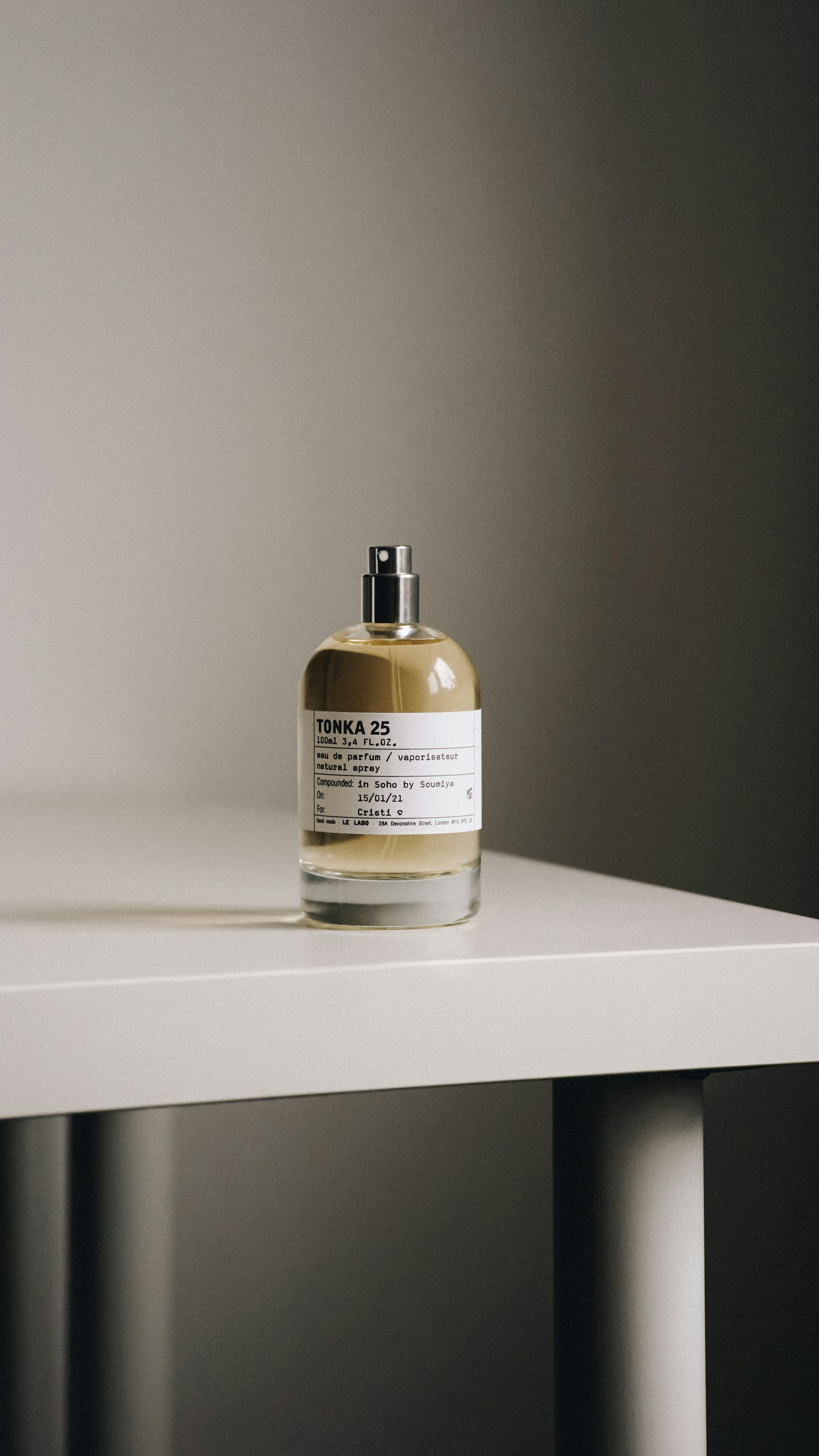
Understanding Perfume Fragrance
Perfume fragrances are intricate blends crafted from various aromatic compounds, designed to stimulate the olfactory senses. The construction of a perfume involves three primary components known as notes: top notes, middle notes, and base notes. Each of these notes plays a crucial role in the overall fragrance experience.
Top notes are the initial scents perceived upon applying a perfume. They are typically light, volatile, and evaporate quickly, providing the first impression of the fragrance. Common top notes include citrus fruits and herbal elements, which create an uplifting and refreshing prelude to the scent. While they are fleeting, they set the stage for the subsequent notes that follow.
As the perfume settles, the middle notes, or heart notes, emerge. These notes form the core of the fragrance and typically last longer than top notes. Middle notes often encompass floral, fruity, or spicy elements that add depth to the perfume. They bridge the top and base notes, contributing to a more rounded and harmonious olfactory experience.
The base notes are the foundation of the fragrance, characterized by their lasting power. These notes often consist of rich, deep scents such as woods, resins, or musks, providing depth and longevity to the perfume’s profile. The interaction between base notes and the previously arrived middle notes creates a lasting scent that can linger on the skin for hours.
Understanding how these different components work together is essential for anyone interested in perfumery. The balance and transition between top, middle, and base notes reflect not only the skill of the perfumer but also the science of olfactory perception. The olfactory system processes these scents in a unique way, allowing individuals to detect and interpret various fragrance combinations, leading to the intricate beauty of perfume fragrances.
The Art of Creating Perfumes
The intricate process of crafting perfumes is often regarded as both an art and a science. At the heart of this craft are perfumers, the skilled artisans who blend fragrance ingredients to create unique scents. The role of a perfumer goes beyond mere scent mixing; it involves a deep understanding of chemistry, an engaging creativity, and an acute sense of smell. Often referred to as “nose,” a perfumer’s ability to identify and articulate various scents enables them to construct olfactory experiences that resonate with individuals.
The techniques utilized in perfume creation are as varied as the compositions themselves. The process begins with the selection of essential oils, aroma compounds, and other fragrance materials. Each ingredient contributes its own character, and much like a composer with musical notes, the perfumer experiments with proportions and combinations to achieve a harmonious blend. This is a meticulous endeavor, as the right balance can evoke powerful memories or stimulate emotions. Considerable experimentation is often necessary, incorporating elements from nature, such as flowers, spices, and fruits, to create a source of inspiration.
In addition to nature, cultural influences play a significant role in the creation of perfumes. Historical contexts, regional traditions, and modern trends inform perfumers about societal preferences and sensibilities, allowing them to craft fragrances that appeal to different demographics. For instance, the use of oriental notes might reflect Eastern elegance, while fresh aquatic notes can evoke the essence of coastal lifestyles.
Emotional connections are also crucial in the perfume-making process. Fragrances can encapsulate feelings, memories, and experiences, thus making them personal and relatable. The interaction between scent and emotion creates a profound impact, often leaving lasting impressions. Ultimately, the art of creating perfumes not only showcases the skill of the perfumer but also demonstrates the complexity and beauty of fragrance as a form of expression.
The Impact of Fragrance on Mood and Emotions
The relationship between fragrance and human emotions is a compelling area of study that has garnered significant attention within psychological and scientific communities. Research consistently indicates that different scents can evoke a wide range of emotional responses, influencing not only our mood but also our cognitive functions, such as memory recall.
One prominent example is the use of citrus scents, such as lemon and orange, which have been found to have energizing effects, often associated with increased happiness and motivation. In contrast, calming fragrances like lavender and chamomile have been shown to reduce feelings of anxiety and promote relaxation. These effects are not only anecdotal; scientific studies support these claims, demonstrating that specific scents can trigger emotional responses through mechanisms in the brain.
Moreover, the connection between fragrance and memory is significant. The olfactory system, responsible for our sense of smell, is directly linked to the limbic system, an area of the brain that governs emotions and memory. This biological link explains why certain scents can evoke vivid memories or emotional reactions, even long after the experience has occurred. For instance, a particular perfume may remind someone of a cherished moment, thus enhancing their mood or even guiding their emotional state.
Therapeutically, aromatherapy has gained popularity as a means of using fragrance to improve emotional well-being. Practitioners often recommend essential oils for various psychological issues, including depression and stress management, integrating this approach into holistic treatment plans. Through studies showcasing the impact of scents on brain activity and emotional regulation, the therapeutic potential of fragrance is increasingly recognized.
In summary, the influence of fragrance on mood and emotions is a scientifically validated phenomenon, highlighting the importance of scent in our daily lives. The interplay between fragrance, psychological state, and memory emphasizes the profound effects that aromas can have, shaping our emotional landscape and enhancing our overall well-being.
Choosing the Right Perfume: Tips and Tricks
Selecting the right perfume is an essential aspect of expressing personal style and enhancing one’s identity. When embarking on this olfactory journey, it is vital to consider various factors that contribute to finding a fragrance that resonates with individual preferences.
Firstly, fragrance families offer a structured approach to understanding different scents. These families can include floral, oriental, woody, and fresh fragrances, each evoking distinct experiences and emotions. For instance, floral scents often embody romance and femininity, while woody fragrances may convey depth and sophistication. Identifying which family aligns with your personality can significantly narrow down your options.
Another important consideration is skin type, as it can influence how a fragrance develops upon application. For example, oily skin tends to retain scents longer, allowing for a more potent fragrance experience, while dry skin may require more frequent reapplication. Testing how a fragrance interacts with your skin is crucial, as the same scent can smell remarkably different from person to person. Therefore, it is advisable to sample fragrances on your skin, rather than relying solely on scent strips.
Sampling fragrances can be further explored through the use of testers at fragrance counters or decanting smaller amounts from a trusted retailer. This allows you to wear a perfume for a few hours to assess how it evolves over time. Additionally, consider the context in which you plan to wear the fragrance. Some scents are more suitable for daytime and casual settings, while others are more appropriate for evenings or formal occasions.
Finally, keep in mind your personal budget. Perfume prices can vary widely, so it is beneficial to establish a reasonable price range that meets both your needs and preferences. A carefully considered selection process will not only lead to a satisfying purchase but also enhance your overall fragrance experience.